Painting, decorating and home improvement tips blog
5 things to think about when decorating a childs bedroom
Posted by Adrian
July 7th, 2014

5 things to think about when decorating a childs bedroom
When decorating a childs bedroom there are a few things to think about, such as what colours to use, what the child is going to use the room for, is it going to be a dual purpose room for study and play? Or is it just a play area? Here are just five things to think about.
Bright and bold
Kids love bright and bold colours so reds, yellows, blues and oranges will keep the kids interested and make it a fun room to be in, especially if they are young. Don’t be afraid to use colour in a kids room, you can always change it at a later date when they get older and grow out of the current colour scheme.
Think tough
Kids being kids will make marks on the walls and paintwork so look out for wipeable emulsions and those that say they are tougher than normal, the same goes for woodwork. A good emulsion should allow you to remove any scuffs easily, if you are going to use wallpaper, find a scrubbable and washable paper so marks can be removed.
Murals and drawings
To make a room even more fun, you can add drawings or murals to a wall, or perhaps a decal of their favorite superhero? You could theme a room to what your child is interested in, such as animals, cars, or space, and the theme can be changed as they grow and tastes change. If you are an artist or know a friend who is one, you can have a scene painted onto the walls of over lining paper.
Storage
Kids have a lot of toys and games and you will need somewhere to store them all for when they have finished playing with them at the end of the day, so think of storage solutions, such as underbed storage, cupboards, shelves, and storage boxes. All of these things are relatively cheap to buy and will help keep your kids room clutter free, which will inturn make the task of cleaning just that little bit easier.
Study area
As your children gets older they will need a place to study and do their homework, so a desk will be vital and help them organise their stuff and have a quiet place to study and do their homework. These can be a stand alone desk bought as a flat pack that you assemble yourself, or a custom made one if you have a small or awkward area to fit a desk into. You can do it yourself by buying some wood and board from a DIY store if you are handy with your hands.

Tags: bedroom, Children, Colour, Decorating, Emulsion, Kids, Lining Paper, Mural, Storage, Study, Toys, Wallpaper
Posted in Decorating Tips | No Comments »
Should you hire a professional decorator?
Posted by Adrian
May 28th, 2014
Should you hire a professional decorator?
Many people think they are not too bad at DIY and decorating and are willing to have a go themselves, which is fair enough. But should you hire a professional decorator to do the job for you?
There are a few things to consider before having a go yourself:
- Do you really know how to do the job
- Do you have all the necessary equipment to complete the job
- Do you have the time to do it yourself
- Do you have the money to fix mistakes
If the answer is no to any of these points above you should hire the services or a professional painter and decorator to decorate your home. Many people go charging into decorating without thinking things through, such as the order of how to do things. They then get stuck halfway through the job and either leave it for months or make a botch job of things.
Frankly life is hectic for everyone, you may have children to look after, work long hours, or have a second job. Do you really want the grief and hassle of tackling the decorating yourself? By hiring a professional decorator the whole process of making your home a beautiful place to be can be virtually stress free.
Professional decorator
Professional decorators decorate day in day out, so they will have the know how, the tools and the time to transform your home for you. Hiring a decorator can save you time and money, you can leave the decorator in the morning to go to work and come back and see the progress, and be amazed at how quick it is going, and how long it would of taken you to strip the wallpaper a bit each day!
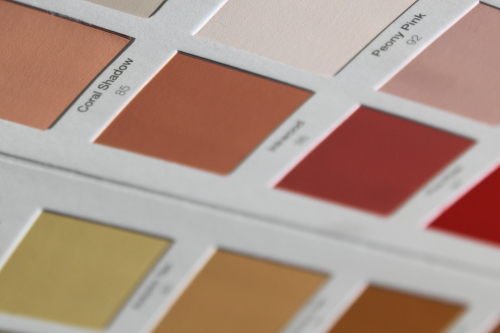
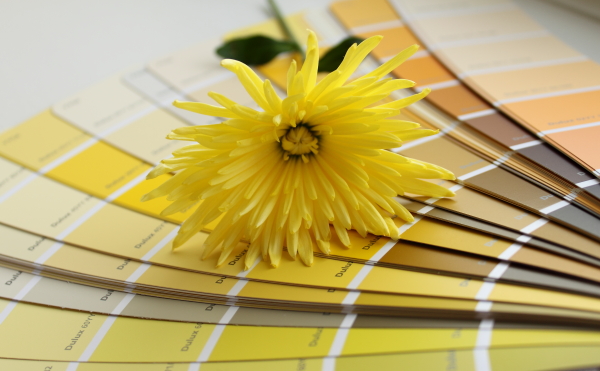
Your professional decorator can advise you on colours, give you ideas, source the required materials and save you time, money and the hassle. How long will it take you driving around trying to find the materials, get paint charts and shopping. So hiring a professional can actually save you money.
The finished decorated room
Imagine how lovely it would be to come into a room that has been professionally decorated for you and is far better than you could of ever imagined, now isn’t it worth hiring a professional decorator?
One of my favorite sayings is as follows:
If you think it’s expensive to hire a professional, wait till you hire an amateur – Red Adair
To hire a professional decorator in the Southend on Sea, Essex (UK) area contact Adrian Rayfield via his online form.
Tags: Colour, Decorating, Decorators, Materials, Painting, Professional, Southend, Tools
Posted in Decorating Tips | 2 Comments »
How to paint new wood
Posted by Adrian
April 30th, 2014
How to paint new wood
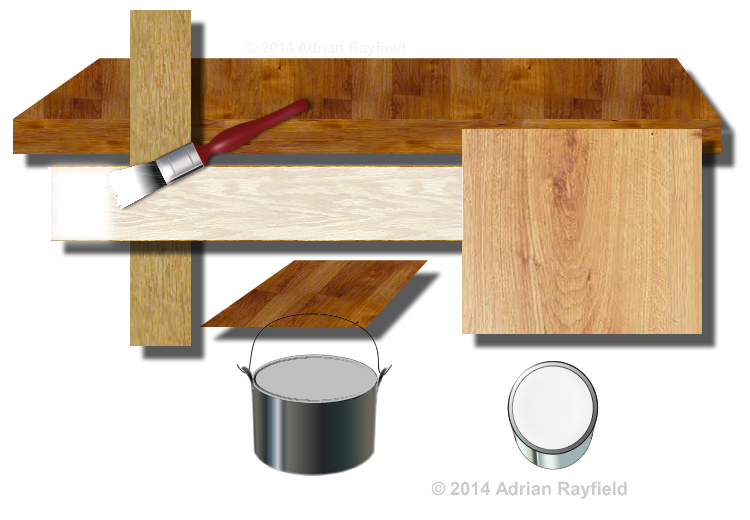
It is important when painting new wood to prepare the wood and paint it correctly, this will ensure the wood lasts for a long time. Most interior wood is softwood, such as skirting boards, door frames, architraves and doors. Whereas exterior wood can be both softwood, such as in fascia boards, but maybe hardwoods for windows and doors etc. This post mainly deals with softwood, such as pine, and painting the wood rather than staining or varnishing.
Preparation is the first job for any new wood, a rub down to ensure the surface is smooth and ready for painting. If you are going to be painting the wood, that is to say not going to varnish the wood, you should apply kotting solution to the knots. This can be applied with a brush or rag. Some knotting solution comes with a brush. Apply two or three coats to the knots and let it dry.
Primer
One the knotting is dry you can apply a suitable wood primer. This can either be solvent or water based, I prefer water based as it dries quickly. Once the first coat is dry, lightly rub down the first coat and then apply a second coat of primer.
Once this is dry, again give it a light rub down, you should now have a well coated piece of wood ready for an undercoat.
Undercoat
An undercoat is used to allow a topcoat such as gloss or satinwood to be applied. Apply one or two coats of a suitable undercoat, for some paints a coloured undercoat can be used, such as a dark grey undercoat for a dark blue or black topcoat for example.
If you are applying more than one undercoat, leave to dry fully and give the wood a light sanding between coats. You may have to give the wood two undercoats depending on how well the wood is covered and how porous the wood is.
Topcoat
Topcoat can be gloss, satinwood, eggshell, solvent based or water based they all come under the heading topcoat as it is the last coat or finishing coat to be applied to the wood.
Once you have applied the primer and undercoat you need to rub the wood down a final time in preparation for the topcoat. Dust of the wood and make sure the wood is free from dirt and grease, then apply the topcoat to the wood. In some cases a second coat may be required, if this is the case allow the first coat to fully dry and then lightly rub the first coat with fine sandpaper and then remove any dust and apply the second coat.
Giving a second coat can give a better gloss in the case of water based paints, it can also give a deeper, fuller finish.
Painting new hardwood
To paint new hardwood, such as a front door, the process is the same, you may not require any knotting solution as hardwood has far less knots. Again, rub down, prime, undercoat and topcoat ensuring you rub down between each coat to ensure a good smooth finish.
Tags: Door, Door Frame, Exterior Wood, Fascia Boards, Gloss, Hardwood, Interior Wood, Knotting Solution, New Wood, Pine, Primer, Satinwood, Skirting Boards, Softwood, Staining, Topcoat, Undercoat, Varnish, Varnishing, Windows
Posted in Decorating Tips | No Comments »